
The Evolution of 3D Apparel Design: From Concept to Creation
The evolution of 3D apparel design has revolutionized the fashion industry, taking it from traditional sketching and physical prototyping to a digital realm. With the advent of advanced technology and software, designers now have the ability to create virtual garments that closely resemble their real-life counterparts. This shift in approach has not only accelerated the design process but also opened up new possibilities for creativity and innovation.
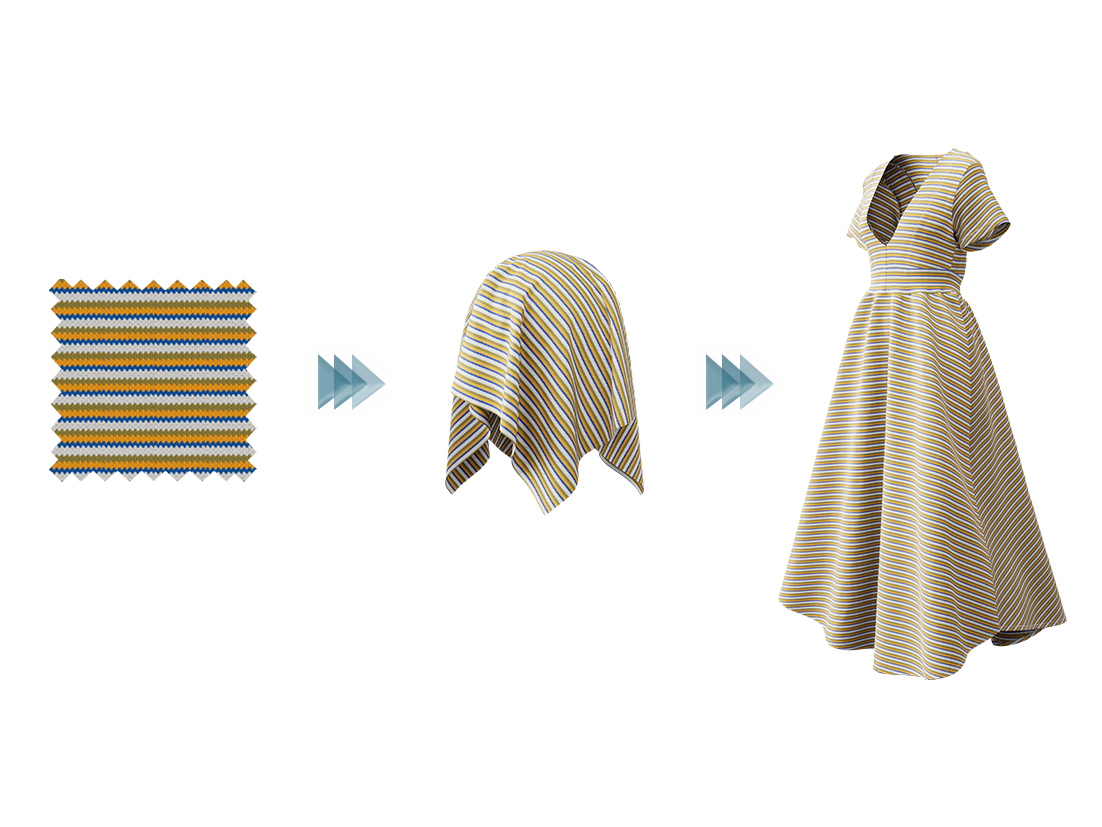
One key aspect of this evolution best fashion design software is the integration of 3D modeling software into the design workflow. Designers can now easily translate their ideas into digital prototypes, allowing them to visualize and refine their concepts before even touching fabric. This saves both time and resources, as multiple iterations can be made virtually without having to produce physical samples. Moreover, these digital prototypes allow for greater accuracy in fit evaluation and pattern making, resulting in garments that are better tailored to individual body types.
Another significant development in 3D apparel design is the emergence of virtual fitting technologies. These tools enable designers to simulate how a garment will look on different body shapes and sizes without physically trying it on models or mannequins. By inputting measurements or using pre-existing databases, designers can instantly see how a garment drapes and fits on various virtual avatars. This not only enhances efficiency but also promotes inclusivity by accommodating diverse body types in the design process.
In today’s fast-paced fashion industry, embracing 3D apparel design is crucial for staying competitive. The benefits offered by this technological advancement go beyond speed and efficiency; they empower designers with greater creative freedom while reducing waste associated with traditional methods. As we continue down this path of innovation, it is exciting to envision what lies ahead for 3D apparel design – from advancements in materials simulation to immersive virtual reality experiences – shaping an increasingly dynamic future for fashion creation.
Understanding the Role of Technology in 3D Fashion Design
Technology has revolutionized the field of fashion design, and 3D technology is no exception. With the advent of advanced software and hardware tools, designers can now bring their concepts to life in a virtual environment before ever creating physical prototypes. This saves time and resources and allows for greater creativity and experimentation. Designers can easily manipulate shapes, colors, textures, and patterns with just a few clicks, giving them unprecedented control over their designs.
One key aspect of technology’s role in 3D fashion design is its ability to enhance communication between designers, manufacturers, and clients. Through digital platforms and collaborative tools, stakeholders and fashion brands can easily share ideas, provide feedback, and make revisions in real time. This streamlines the entire design process from concept development to production.
Furthermore, technology has opened up new possibilities for customization in fashion design. With 3D modeling software coupled with body scanning technologies, designers can create garments that are tailored specifically to an individual’s measurements and preferences. This improves fit and reduces waste by eliminating the need for mass production of standardized sizes.
Integrating technology into 3D fashion design has undoubtedly transformed the industry by providing designers with powerful tools to unleash their creativity while improving efficiency throughout the entire fashion design process. As advancements continue to be made in areas such as virtual reality (VR) simulations or artificial intelligence (AI), we can expect even more exciting developments on the horizon that will shape the future of fashion design as we know it today.
Exploring the Benefits and Limitations of 3D Apparel Design
One of the key benefits of 3D apparel design is its ability to streamline the product development process. By creating virtual prototypes, designers can quickly iterate and make adjustments without the need for physical samples. This saves time and reduces costs associated with materials and production. Additionally, 3D design allows for better collaboration between different teams involved in the process of clothing business, such as designers, pattern makers, and manufacturers.
Another advantage of 3D apparel design is its potential to enhance customization options. With this technology, designers can easily create personalized garments tailored to individual customer preferences. From adjusting fit and style to experimenting with different colors and patterns, 3D clothing design opens up a whole new realm of possibilities for creating unique clothing that meets specific customer needs.
However, it’s also important to acknowledge some limitations of 3D apparel design. One challenge is achieving realistic fabric simulation in virtual environments. While advancements have been made in this area, accurately representing how fabrics drape and move on a digital model still poses some difficulties. Another limitation is the reliance on accurate body measurements for proper fitting garments virtually. Obtaining precise measurements from customers remotely can be challenging and may impact the accuracy of virtual fittings.
Exploring the benefits and limitations of 3D apparel design reveals its potential to revolutionize the fashion industry by streamlining processes and enabling customization options while also acknowledging challenges related to fabric simulation and accurate body measurements.
Key Principles of Designing for the Virtual World: A Guide for Aspiring Designers
Designing for the virtual world requires a unique set of principles and considerations. One key principle is to prioritize functionality and ease of use in your designs. Since users will be interacting with your virtual creations, it’s important to ensure that they are intuitive and user-friendly. This can include elements such as clear navigation, easily accessible menus, and interactive features that enhance the overall experience.
Another crucial principle is to pay attention to scale and proportion when designing for the virtual world. Unlike physical garments, which conform to the wearer’s body’s dimensions, virtual clothing must fit seamlessly onto avatars or digital models. It’s essential to carefully consider how different fabrics drape on these models and adjust patterns accordingly. By understanding how scale impacts design in a virtual space, you can create visually appealing garments that appear realistic on screen.
Additionally, embracing creativity while adhering to technical constraints is vital in designing for the virtual world. While there may be endless possibilities in terms of colors, textures, and shapes in this digital realm, it’s important to understand what is technically feasible within the software or platform you’re using. By pushing boundaries while staying within limitations, you can create innovative designs that showcase your artistic vision while still being functional within a 3D environment.
By following these key principles – prioritizing functionality and ease of use, considering scale and proportion effectively, and embracing creativity within technical constraints – aspiring designers can successfully navigate the intricacies of designing for the virtual world.
Navigating the Complexities of 3D Pattern Making and Garment Construction
Pattern making and garment construction are essential steps in the process of creating 3D apparel designs. It involves translating a flat pattern into a three-dimensional garment that fits and drapes correctly on the virtual model. One key challenge in this stage sewing pattern creation is ensuring accuracy and precision, as even minor errors can result in ill-fitting garments or distorted proportions. To navigate these complexities, designers must rely on their expertise in traditional pattern-making techniques while embracing the unique considerations of working in a digital environment.
A crucial aspect of 3D modeling program pattern making is understanding how to manipulate digital patterns to achieve desired design elements. This includes incorporating details such as seam allowances, darts, pleats, and gathers accurately onto the virtual garment. Designers also need to consider fabric properties when constructing patterns digitally – factors like stretch, weight, and drape all play a role in achieving realistic simulations.
Garment construction within a virtual environment requires meticulous attention to detail. Designers must ensure that each piece of the garment aligns perfectly with others during assembly. They need to understand how different fabrics behave when sewn together virtually – for example, thicker materials may require adjustments for bulkiness at seams or hems. By mastering these intricacies of 3D pattern making and garment construction, designers can create visually stunning apparel designs that seamlessly blend creativity with technical proficiency.
Enhancing Realism in 3D Fashion: Tips for Texturing and Rendering
Creating realistic textures and renderings is crucial in 3D fashion design as it helps bring virtual garments to life. One important tip for enhancing realism is to pay attention to detail when applying textures. Designers can achieve a more authentic look by carefully selecting and mapping the right textures onto different parts of the garment. For example, using a fabric texture that accurately represents the material of the garment can make it appear more lifelike.
Another key aspect of enhancing realism in 3D fashion design is understanding lighting and shading techniques. Properly simulating light sources and shadows can greatly enhance the overall appearance of a virtual garment. Designers should experiment with different lighting setups and understand how they interact with various materials to create realistic effects. Additionally, paying attention to subtle details such as specular highlights or reflections can further enhance the design’s visual appeal.
In addition to texturing and rendering techniques, utilizing high-quality software tools specifically designed for 3D fashion design can significantly improve realism. These tools often have advanced features that allow designers to simulate fabric draping, wrinkles, or movement on virtual models. By effectively leveraging these advanced tools, designers have greater control over accurately representing their designs in a virtual environment.
Enhancing realism in 3D fashion design software fashion through effective texturing and rendering requires meticulous attention to detail, knowledge of lighting techniques, and access to appropriate software tools. By implementing these tips, aspiring designers can take their creations one step closer to achieving a truly immersive experience within the digital realm.
Leveraging 3D Visualization Tools to Showcase Apparel Designs
3D visualization tools have revolutionized the way apparel designs are showcased in the fashion industry. These advanced technologies allow designers to create realistic virtual representations of their garments, providing a more immersive and interactive experience for both creators and consumers. By leveraging 3D visualization tools, designers can effectively communicate their design concepts and showcase every intricate detail of their creations.
One key advantage of using 3D visualization tools is the ability to easily make modifications and adjustments to designs. Designers can quickly experiment with different colors, fabrics, textures, and patterns without the need for physical prototypes. This not only saves time but also reduces material waste associated with traditional garment production processes. With just a few clicks, designers can visualize how their designs would look on various body types or in different lighting conditions, allowing them to make informed decisions before moving forward with production.
Moreover, 3D visualization tools enable designers to present their apparel designs in a dynamic and engaging manner. Virtual fashion shows or digital fashion showrooms provide an interactive platform where viewers can explore the garments from all angles and even customize certain aspects according to personal preferences. This level of interactivity enhances consumer engagement with fashion designer by creating an immersive experience that goes beyond traditional static images or runway presentations. Additionally, these virtual platforms allow designers to reach a global audience without geographical limitations or logistical constraints.
Incorporating 3D visualization tools into the process of showcasing apparel designs has transformed the fashion industry by offering new possibilities for creativity, efficiency, and consumer engagement. As technology continues to advance at a rapid pace, it is exciting to envision how these tools will further evolve in the future – opening up endless opportunities for innovation within this ever-evolving field.
Overcoming Challenges in 3D Apparel Design: Insights from Industry Experts
One of the main challenges in 3D apparel design, according to industry experts, is achieving a realistic fit and drape. Creating virtual garments that accurately mimic real-life fabrics and how they move on the body is no easy task. Designers must meticulously study fabric properties and understand how different materials behave when draped or stretched. This knowledge allows them to simulate these characteristics in their virtual designs, ensuring a more accurate representation of the final product.
Another hurdle faced by designers is the complexity of creating intricate details in 3D garments. From delicate embroidery to intricate patterns, replicating these elements digitally requires precision and expertise. Industry experts emphasize the importance of mastering specialized software design tools, that enable designers to add fine details seamlessly. Additionally, understanding how different textures interact with light can greatly enhance the realism of 3D fashion designs.
Collaboration within multidisciplinary teams also presents its own set of challenges in 3D apparel design projects. Assembling professionals from various fields such as fashion design, pattern making, textile engineering, and digital modeling requires effective communication and coordination. Experts stress the need for clear communication channels between team members to ensure everyone’s vision aligns harmoniously throughout each stage of the design process. Regular meetings and open discussions are crucial for overcoming any potential roadblocks or misunderstandings that may arise during collaboration.
Incorporating Sustainability and Ethical Practices in 3D Fashion Design
The incorporation of sustainability and ethical practices in 3D fashion design has become increasingly important in recent years. Designers are recognizing the need to minimize their environmental impact and ensure fair labor practices throughout the production process. By utilizing 3D pattern drafting technology, designers have the opportunity to create more sustainable and ethical fashion.
One key benefit of 3D fashion design is its ability to reduce waste. Traditional garment production often results in large amounts of fabric being discarded during the cutting process. However, with 3D pattern making, designers can optimize fabric usage by creating virtual patterns that maximize efficiency. This not only reduces material waste but also minimizes energy consumption and carbon emissions associated with textile manufacturing.
Additionally, incorporating sustainability into 3D fashion design involves selecting eco-friendly materials. Designers can utilize digital libraries that offer a wide range of sustainable fabrics such as organic cotton or recycled polyester. These materials not only help reduce the industry’s reliance on non-renewable resources but also contribute to a healthier environment overall.
Moreover, ethical practices play a crucial role in 3D fashion design. By using virtual models instead of human models for fittings and presentations, fashion designers can eliminate potential exploitation or mistreatment within the industry. Furthermore, ensuring fair wages and safe working conditions for those involved in producing digital garments is essential for maintaining an ethical supply chain.
Incorporating sustainability and ethical practices into 3D fashion design is not just a trend; it is becoming a necessity in today’s conscious consumer market. As technology continues to advance, it presents opportunities for designers to make positive changes within the industry while still delivering innovative and stylish designs that resonate with consumers who prioritize both style and ethics.
The Future of 3D Apparel Design: Trends and Innovations to Watch Out For
With the rapid advancements in technology, the future of 3D apparel design holds exciting trends and innovations. One key trend to watch out for is the integration of artificial intelligence (AI) into the fashion design cad software process. AI algorithms can analyze vast amounts of data to generate unique and personalized designs based on customer preferences and body measurements. This not only enhances creativity but also improves efficiency by automating certain aspects of the 3d clothing design software and process.
Another emerging trend is the use of sustainable materials and practices in 3D fashion design. As consumers become more conscious about environmental issues, designers are exploring ways to incorporate eco-friendly materials such as recycled fabrics or bio-based textiles into their virtual creations. Additionally, virtual prototyping allows for reduced waste during production as it eliminates the need for physical samples.
Furthermore, virtual reality (VR) is expected to play a significant role in shaping the future of 3D apparel design. VR technology enables designers to create immersive experiences where customers can virtually try on garments before making a purchase decision. This not only enhances customer engagement but also provides valuable insights into fit and comfort that can be used to refine designs further.
The future of 3D apparel design is undoubtedly filled with endless possibilities driven by technological advancements like AI, sustainability initiatives, and VR integration. Designers who embrace these trends will have an opportunity to revolutionize how clothing is created, consumed, and experienced in a digital world that continues to evolve at an astonishing pace.
What is 3D apparel design?
3D apparel design refers to the process of creating clothing and accessories using three-dimensional digital software. It is professional tool that allows designers to visualize and manipulate their designs in a virtual environment before they are physically produced.
How has 3D apparel design evolved over time?
3D apparel design software has evolved from basic 3D modeling tools to advanced, software programs that can simulate fabric drape, texture, and movement. It has also become more accessible to designers, with user-friendly interfaces and improved compatibility with different platforms.
What role does technology play in 3D fashion design?
Technology plays a crucial role in 3D fashion design by a digital space, providing designers with tools to create, manipulate, and visualize their designs in a virtual environment. It allows for faster iterations, accurate simulations, and reduces the need for physical prototypes.
What are the benefits of 3D apparel design?
Some benefits of 3D apparel design include faster design iterations, reduced costs in prototyping design development process and sampling, improved accuracy in fit and garment construction, and enhanced visualization of designs for marketing and sales purposes.
Are there any limitations to 3D apparel design?
Yes, there are some limitations to 3D apparel and clothing design software. These include the lack of physical fabric properties in virtual simulations, the need for skilled technicians to operate the software, and the initial investment required by apparel companies for software and hardware.
What are key principles to consider when designing for the virtual world?
When designing for the virtual world, it is important technical designers to consider factors such key features such as scale, proportions, silhouette, and texture. Understanding how garments will look in a virtual environment and considering the limitations of the software can help create more realistic and visually appealing designs.
How complex is 3D pattern making and garment construction?
3D pattern making and garment construction can be complex, as it involves converting 2D patterns into 3D forms and ensuring proper fit and functionality. Designers need to understand garment construction techniques and have knowledge of how fabric behaves in order to create accurate patterns and well-fitting virtual garments.
How can realism be enhanced in 3D fashion design through texturing and rendering?
Realism in 3D fashion design can be enhanced through texturing and rendering techniques. This involves accurately replicating fabric textures, patterns, and finishes, as well as paying attention to lighting, shadows, and reflections to create a more lifelike representation of the garment.
How can 3D visualization tools be leveraged to showcase apparel designs?
3D visualization tools can be leveraged to showcase apparel designs by creating virtual showrooms, interactive lookbooks, virtual fitting session, or virtual try-on experiences. These tools allow designers to present their collections in a more engaging and immersive way, enhancing the customer’s experience.
What challenges do industry experts face in 3D apparel design?
Industry experts in 3D apparel design face challenges such as the learning curve associated with new software and technologies, the need for collaboration and exchange of files between different software platforms experienced users, and the ongoing demand for training and upskilling to stay updated with the latest advanced cad software.
How can sustainability and ethical practices be incorporated into 3D fashion design?
Sustainability and ethical practices can be incorporated into the creative process of 3D fashion design by using virtual materials that mimic sustainable and environmentally friendly fabrics, reducing waste by eliminating the need for physical prototypes, and promoting transparency and fair labor practices in the virtual supply chain of fashion ideas.
What trends and innovations can we expect in the future of 3D apparel design?
In the future, we can expect advancements in virtual reality (VR) and augmented reality (AR) technologies, improved fabric design tool simulation capabilities, AI and machine learning integration in design processes, and the development of more sustainable and eco-friendly virtual materials.